DigiEduHack 2025: A Global Community Rethinking Education in the Digital Age
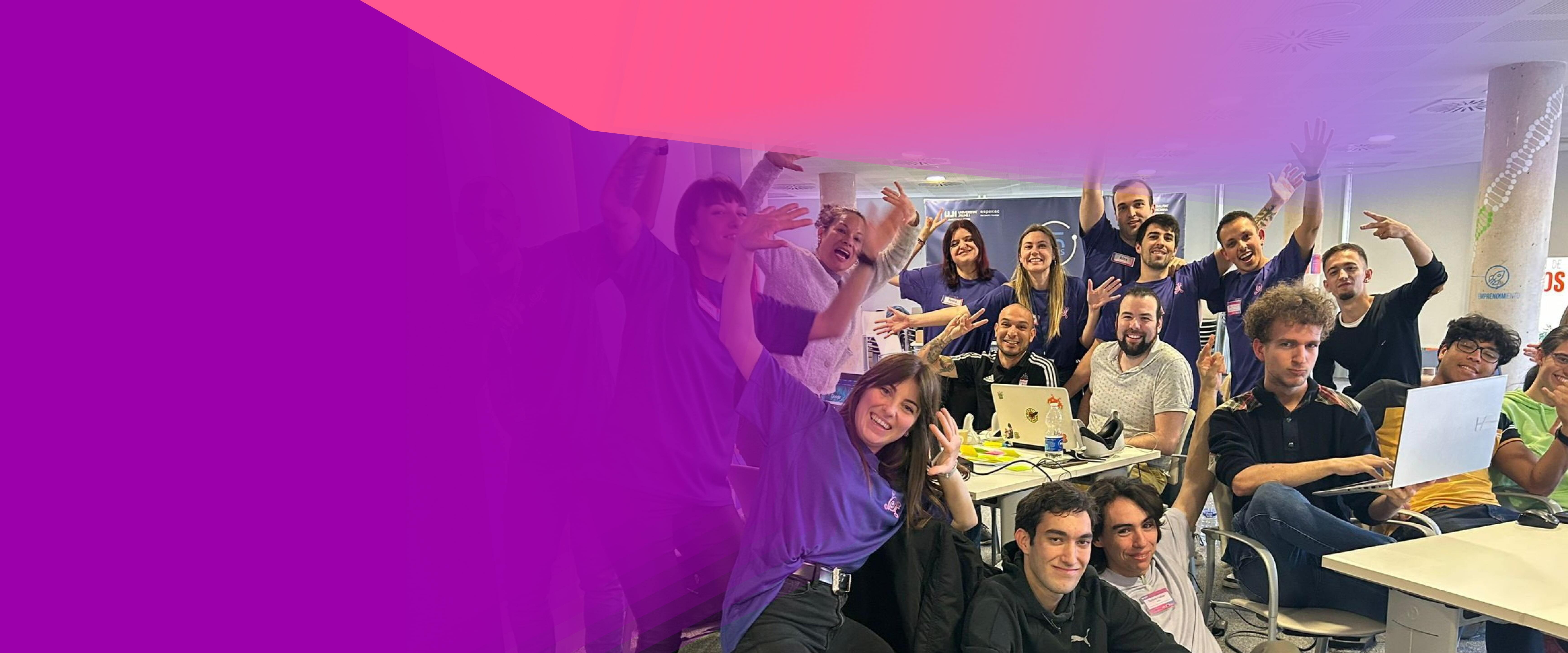
From classrooms to coworking spaces and virtual platforms, innovators around the world came together for DigiEduHack 2025 - united by one goal: to rethink education in the age of digital skills.
With 87 published hackathons in more than 30 countries and about 2500 participants, this year’s edition showed what happens when creativity and collaboration meet a shared mission.
Challenges ranged from artificial intelligence in classrooms to green and inclusive learning, each inviting solutions that speak directly to the evolving needs of today’s education landscape.
Innovation in Action: Highlights from the Hackathon Days
During the DigiEduHack Hackathon Days (7–16 November 2025), participants transformed ambitious ideas into tangible concepts aimed at real-world impact.
Over the course of 10 days, educators, students, researchers, and changemakers tackled diverse themes: digital inclusion, future skills, green education, AI ethics, well-being, and more; culminating in more than 900 innovative solutions, such as::
- Escape Hacker team (KTA Bruges, Belgium) created a Roblox game on media literacy to help young people spot phishing, fake links, scams, and misinformation.
- JellyFishPro (Marine Ecology students, Poland) developed accessible science-communication content about the Baltic Sea, turning a biology assignment into interactive social media outreach.
Both teams showed how DigiEduHack 2025 helped refine their ideas and expand their impact, from safer online habits to engaging environmental education.
Main Stage 2025
The DigiEduHack 2025 Main Stage Event on 25 November brought together students, policymakers, teachers, entrepreneurs, demonstrating the power of collaboration.
The event held in Brussels opened with a direct challenge posed by Saskia Van Uffelen, Manager of Future Workforce at Agoria, Do we need to rethink education? Her answer was immediate: "A clear yes."
Rethinking education now matters because education faces unprecedented pressures. The system must deliver more with tighter budgets and stretched resources while navigating rapidly shifting technology, changing societal needs, and the imperative to support both student well-being and inclusive access. These aren't impossible problems, but they require innovative solutions – fast.
And that’s exactly what the Main Stage event showcased,. Speakers exposed relevant data like that 44% of Belgians lack basic digital skills, despite their growing societal and economic importance. At the same time, they stressed that digital skills are more than a technical expertise, as most cyber skills (75%) are human skills, such as behavioural understanding and process awareness. With 90% of European jobs now requiring basic digital skills, panel experts warned that treating digital competence as a “technical add-on” ignores its true role as a foundation for participation in society.
DigiEduHack hosts emphasised that hackathons give young people voice and agency, creating spaces where participants can step up, lead, and collaborate. Some speakers highlighted that hackathons are powerful tools for entrepreneurship education, building problem-solving, teamwork, creativity, and pitching skills. Former winner, Gabriele Tealdo, shared how the hackathon experience boosted his team’s confidence and visibility, helping transform their hackathon idea into the startup, UniMate.
They also show how diverse talents emerge, as students who struggle with theory often excel in creativity, coding, or communication during hands-on challenges.
Catch Up on Learning Highlights
The learning and reflection do not stop with the hackathons. You can now catch up on all episodes of Season 4 of DigiEduHack, The Podcast - featuring discussions on AI in classrooms, digital inclusion, immersive learning, and the future of education.
All webinars from the 2025 Learning Series are also available on demand, offering insights into personalised learning, digital literacy through hackathons, and next-generation assessment methods.
Together, these resources capture the best of this year’s ideas, stories, and practical examples of how digital education is evolving across Europe and beyond.
Looking Ahead
As 2025 draws to a close, the journey continues. Soon, the DigiEduHack community will choose this year’s Global Award finalists. Voting will open in spring 2026, giving everyone the chance to recognise the most impactful ideas from this edition.
DigiEduHack remains a space where educators, students, and innovators co-create the future of learning - one hackathon, one story, and one idea at a time.
Thank you to the entire DigiEduHack community — hosts, ambassadors, participants... for joining us on this journey. You, your passion, creativity, and commitment are the heartbeat of the initiative!