Do We Need to Rethink Education? 2500+ Participants Just Answered "Yes"
More than 800 solutions. Thirty countries. One urgent question.
The DigiEduHack 2025 Main Stage Event on November 25th opened with a direct challenge. Saskia Van Uffelen, Manager of Future Workforce at Agoria, posed the core question: Do we need to rethink education?
Her answer was immediate: "A clear yes."
From the outset, the event underlined why this conversation matters. Pia Ahrenkilde Hansen, Director-General of DG EAC, highlighted DigiEduHack’s growing international reach, with hackathons taking place this year in more than 30 countries - from Canada and Kazakhstan to Morocco and Peru. She reminded participants that digital skills are now recognised as one of Europe’s five basic skills, and that strengthening them at all levels is essential if Europe is to keep pace with rapid technological and societal change.
Why rethinking education matters now
Because education faces unprecedented pressures. The system must deliver more with tighter budgets and stretched resources while navigating rapidly shifting technology, changing societal needs, and the imperative to support both student well-being and inclusive access. These aren't impossible problems, but they require innovative solutions – fast.
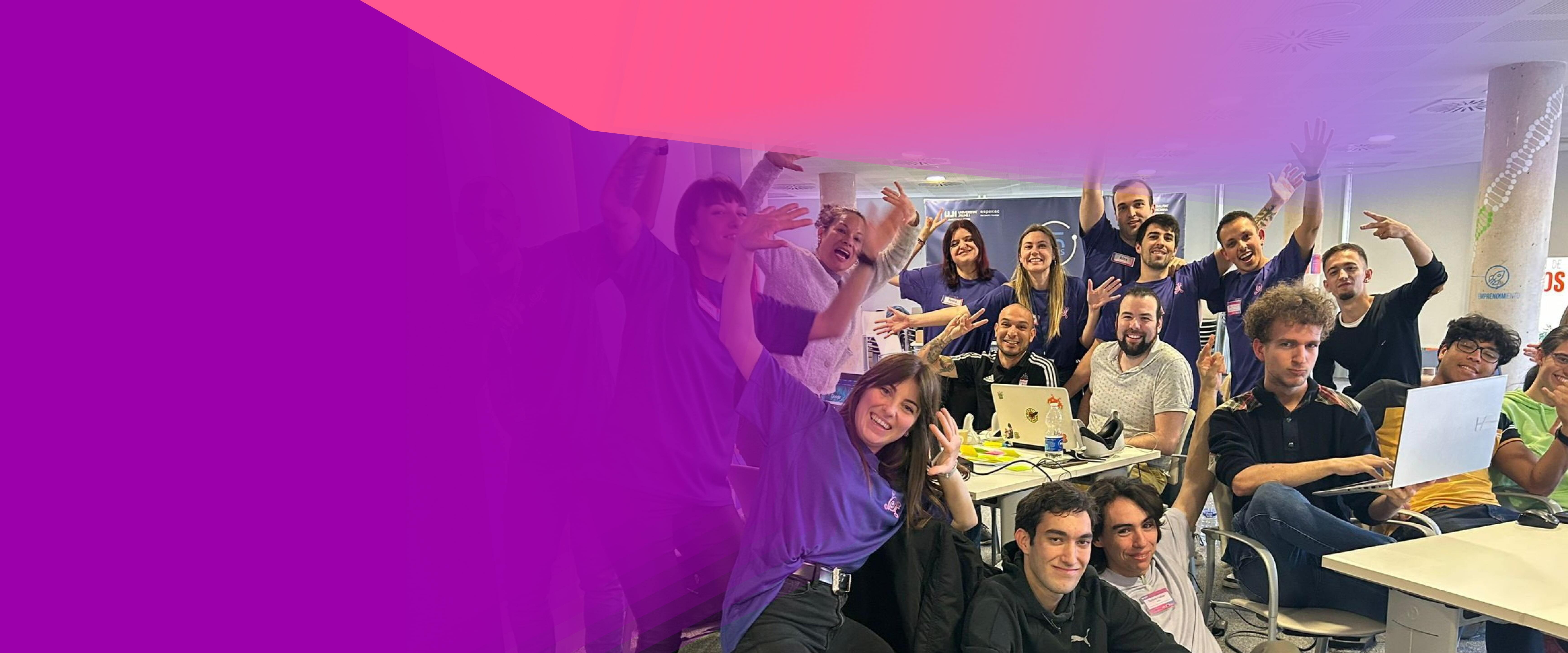
And that’s exactly what the Main Stage event showcased. Over 2400 participants had already channeled this urgency into action during DigiEduHack Hackathon Days 2025, developing out of the box solutions for educational challenges. The Main Stage event brought together the people behind those ideas: students, policymakers, teachers, entrepreneurs, demonstrating the power of collaboration.
Uncomfortable data
Speakers stressed that digital skills are no longer optional. Van Uffelen pointed to a key statistic from her country, Belgium: 44% of people aged 16–74 lack basic digital skills, and that this has major societal and economic implications that cannot be ignored. She also emphasised that 75% of cyber skills needed are human skills, not technical, such as understanding behaviour, finding weak links in chains, analysing processes...
Around 90% of jobs in Europe now require basic digital skills; yet companies struggle to find candidates with even those fundamental competences, pointed Nils Elofsson, Junior Adviser to the Social Affairs Department at Business Europe. Marianna Marcucci, Chair of the Board of All Digital, explained that digital competence is often treated as a technical add-on, but it’s about individual agency and participation in society instead.
And then... solutions!
This year, DigiEduHack participants submitted more than 800 solutions that rethink digital education.
Present at the Main Stage event, 2025 participants Escape Hacker, an e-sports high school team from KTA Bruges (Belgium), explained how they created a Roblox game about media literacy, helping their peers and other young people recognise and avoid phishing, fake links, online scams or fake news.
JellyFishPro, a team of Marine Ecology students from Poland and winners of a local DigiEduHack 2025 DigiBlue, explained via testimonial video how the project started as a biology assignment to communicate science accessibly. They began creating social media content about the Baltic Sea and its environmental challenges and how the hackathon helped them structure their content, make it more interactive, and reach broader audiences. They proudly shared that winning reinforced that science communication can be fun, simple, and meaningful, and motivated them to grow the project into something bigger.
According to Davide Coppaloni, Senior Operations and IT Manager at JA Europe and recurrent host; hackathons are powerful tools for entrepreneurship education as they help building problem-solving, teamwork, creativity and pitching skills. Through his hackathon and now a startup, UniMate, 2024 winner Gabriele Tealdo highlighted the impact of the hackathon, as it provided him and his team confidence and exposure to turn their idea into a startup.
Victoria Belous, DigiEduHack National Ambassador and host, explained how hackathons give young people a voice and agency, as she witnessed how shy students become leaders and those who previously struggled with theory suddenly shone in creativity, coding, or communication.
Closing and next steps
Francesca Maltauro, Deputy Head of the Digital Education Unit at DG EAC concluded the event collecting what resonated most with her: Everyone has skills to contribute, collaboration is essential, teachers need awareness and support and that hackathons are spaces where everyone can shine.
Besides panel discussions and valuable speeches, the event proposed interactive activities for both onsite and online participants on futuristic scenarios in digital education, opening questions on topics like future skill needs, challenges in the sector and trends in digital education.
Next steps
The journey does not stop here; there is so much more to come. From the announcement of the local winners to the excitement of seeing which teams will make it to the finals in just a few months and meeting the global winners after that. This year there were hackathons in more than 30 countries including Canada, Kazakhstan, Morocco or Peru fostering international participation within the global community.
DigiEduHack is not just about a single hackathon—it is about building a global community that will continue to push the boundaries of education for years to come. Stay tuned, voting will open early 2026!