SkillUp: Digital Competencies for the Future Workforce
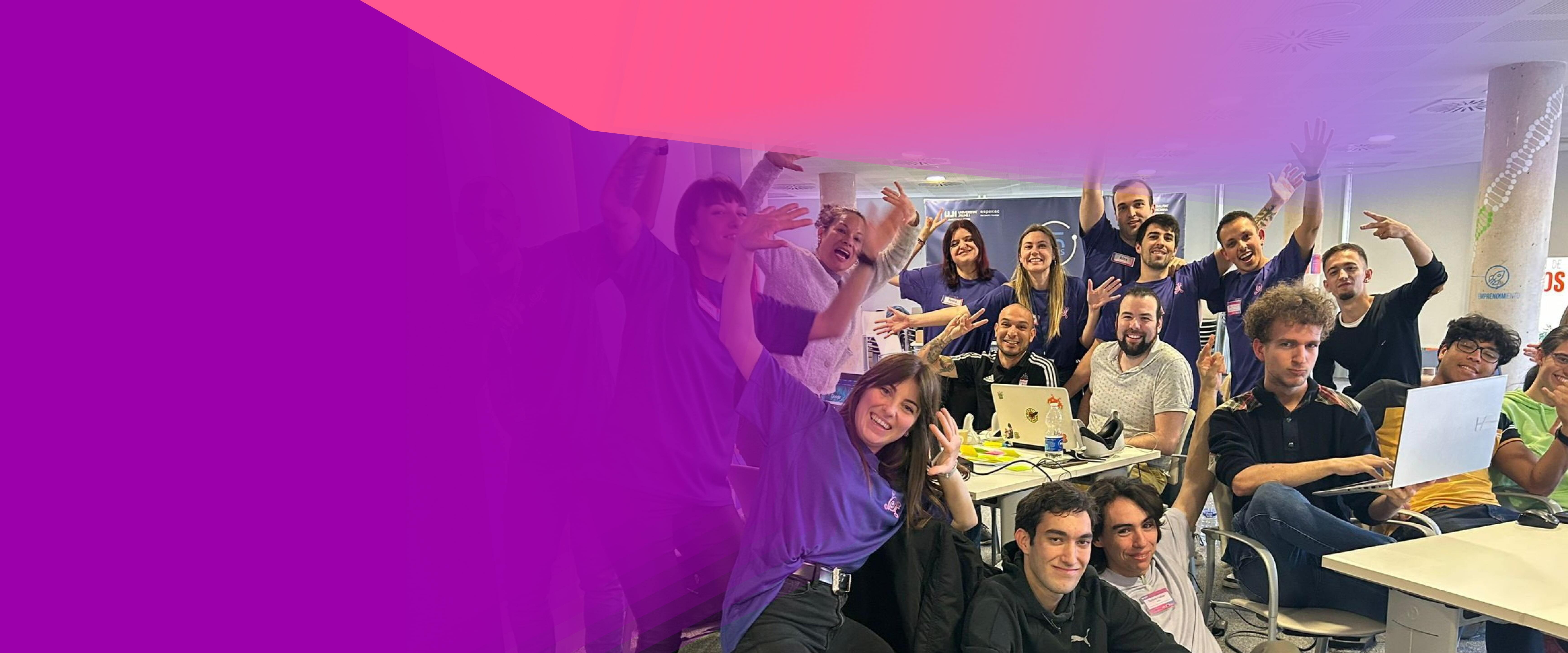
The hackathon brings together students from schools and universities to strengthen their digital competencies and prepare for the future labour market. Participants will explore topics such as cyber security, software development, digital collaboration, and AI literacy, using critical thinking and the Design Thinking method to solve real-world challenges.
Designed as an interactive game between creative minds, the hackathon encourages teamwork, innovation, and applied learning. Over several days, participants will go through all Design Thinking phases — empathising, defining, ideating, prototyping, and testing — to develop innovative EdTech solutions or digital tools that address real educational or societal needs.
By applying a hands-on, project-based approach, students will gain practical experience in developing digital solutions, improve their problem-solving and analytical skills, and learn how to transform ideas into actionable prototypes. The event aims to upskill participants, inspire collaboration across disciplines, and prepare a new generation of digitally literate and future-ready learners who can shape the evolving job market with creativity, responsibility, and innovation.
Questions?
slavko.rakic@taltech.ee


Who can join?
14 - 16 NOV 2025
Register by 01 NOVLanguage(s) of the hackathon
English, Estonian
Onsite
Estonia - Estonia
Individual Competences
Challenge and goals
The main goal of the hackathon is to enhance the digital skills and employability of students from schools and universities by engaging them in real-world problem-solving activities based on the Design Thinking methodology. Participants will develop practical competencies in cyber security, software development, digital collaboration, and AI literacy, while strengthening their creativity, teamwork, and entrepreneurial mindset.
Through this hands-on experience, students will learn to identify challenges, design user-centred solutions, and transform innovative ideas into digital prototypes or educational tools that address actual needs in society and the labour market. The hackathon aims to foster collaboration between students, educators, and industry mentors, encouraging interdisciplinary thinking and peer learning.
Expected outcomes include increased awareness of digital transformation trends, improved critical thinking and innovation capacities, and the creation of several functional EdTech or digital prototypes. The long-term outcome is to build a community of future-ready learners equipped with the digital and creative skills needed to succeed in a fast-evolving technological environment.
Expectations and requirements for the solutions and participants
Participants are expected to work in teams of 3–4 students from schools or universities, actively contribute ideas, and follow all phases of the Design Thinking process — from problem definition to prototyping. No advanced technical skills are required, but curiosity, creativity, and teamwork are essential. Basic knowledge of digital tools, software development, or cyber security is an advantage. Each team should present a prototype or concept and a short pitch at the end of the event.
Available Support
Participants will receive full support throughout the hackathon from a diverse mentoring team, including two university professors, several school teachers, and six student mentors who will guide the teams through each stage of the Design Thinking process. In addition, AI-based digital mentors will be available to assist with idea generation and creativity. Together, this network ensures a dynamic, supportive, and inspiring environment for innovation and learning.